
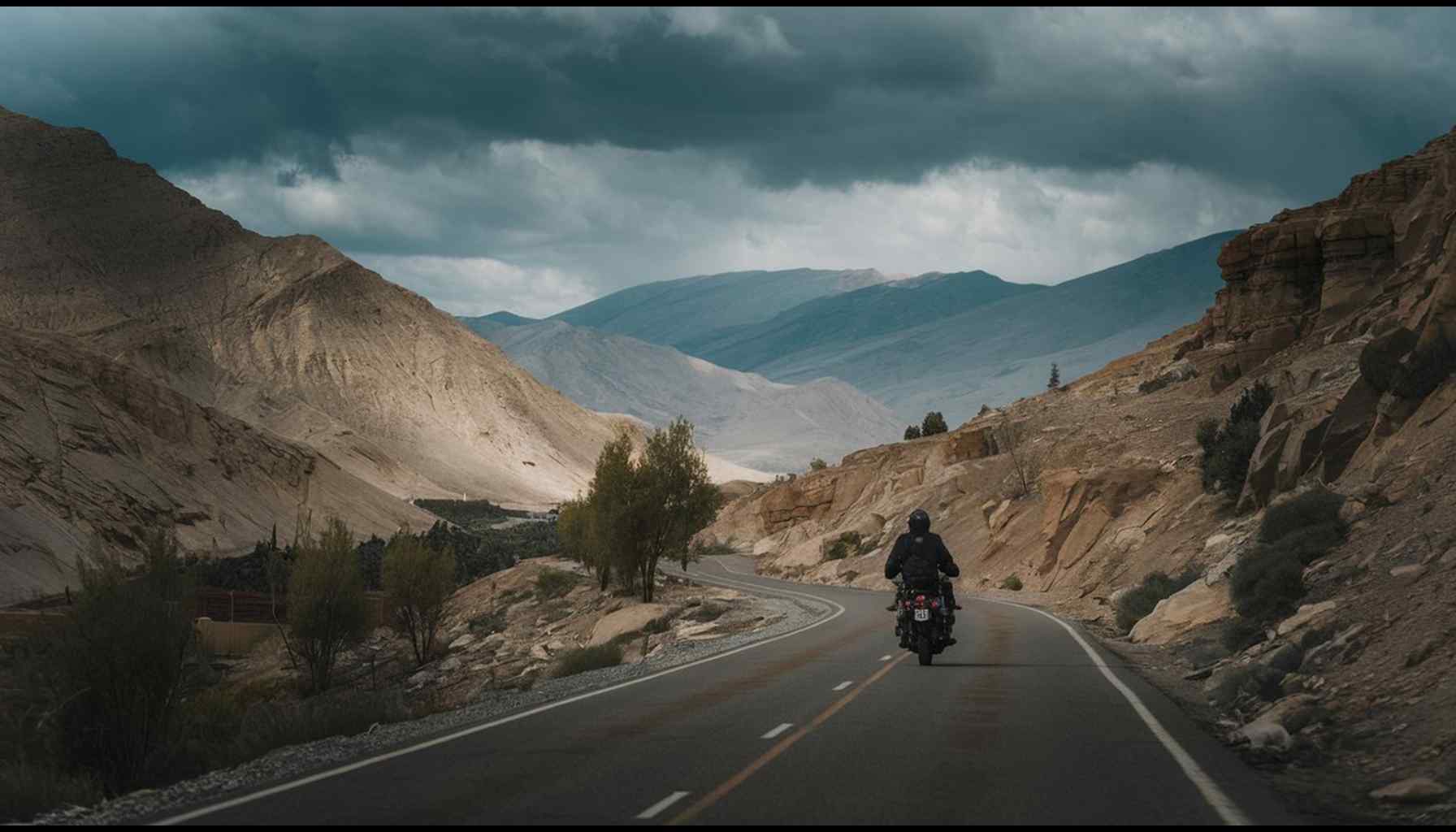
Ten Life-Changing India Travel You Should Make Before 30
Your twenties are for gathering experiences not objects. And what better place to write those stories than throughout the varied scenery of India? From snow-capped mountains to sun-kissed beaches, ancient temples to busy cities, India provides transforming experiences that will help you grow. If you are planning your first big journey, reading the complete first-time solo travel guide for India can help you prepare for these experiences. All before you reach the big 3-0, ten trips here will inspire you, challenge you, and alter your outlook on life.
1. Finding Silence in the Himalayas: The Spiti Valley Circuit
Spiti Valley offers something unusual—total isolation—in our hyperlinked world. In Himachal Pradesh, this high-altitude desert forces you to slow down, breathe deeply, and face yourself without distractions. Being somewhere your phone lacks a signal, the internet is a fading memory, and the The call to prayer echoing from old monasteries and the wind whistling across mountain passes are your only messages.
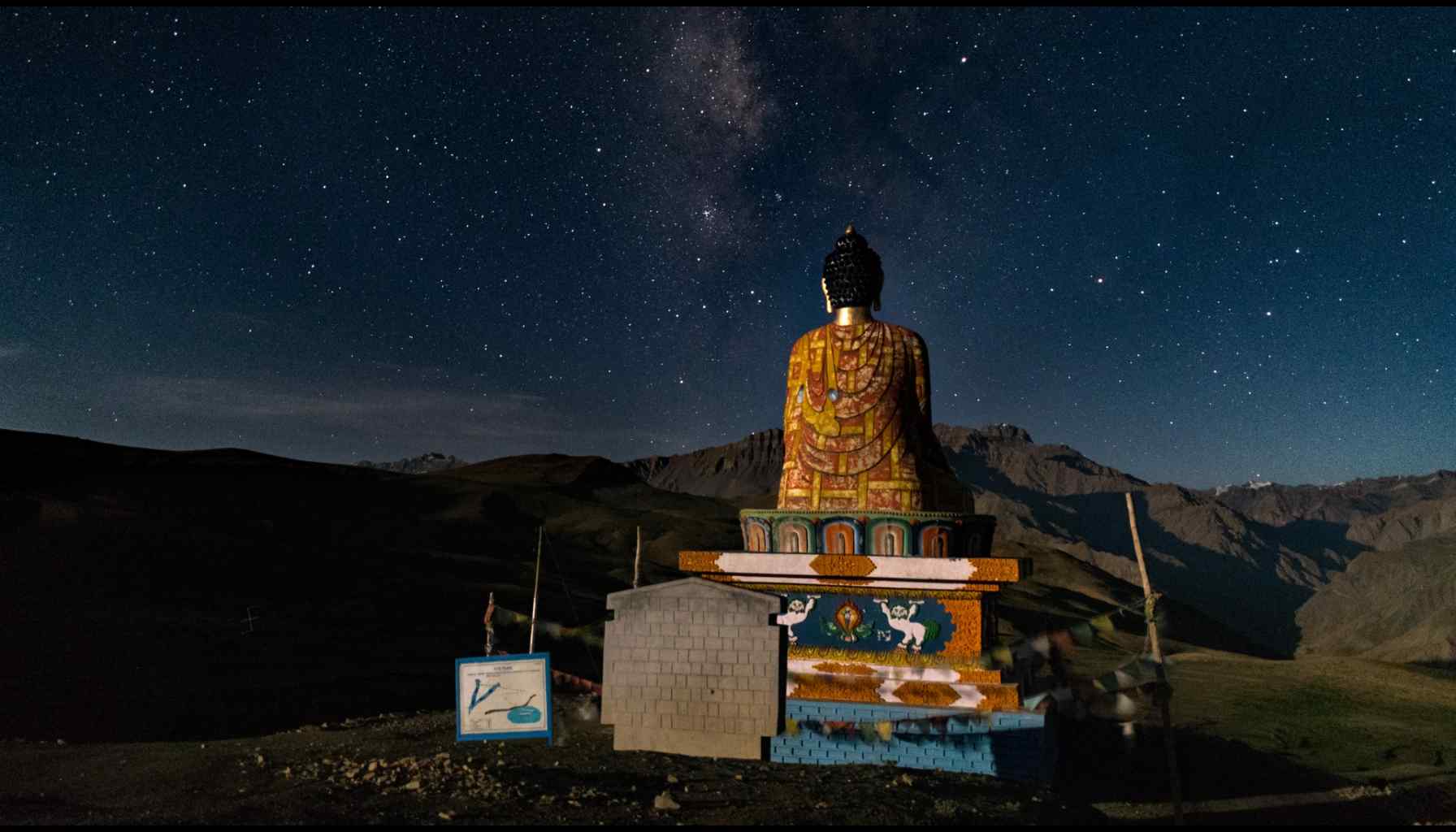
The trip itself is a challenge against your limits. You will negotiate hairpin curves seemingly challenging physics to arrive at ancient monasteries perched impossibly on mountainsides where monks have spent centuries in meditation. Choose homes where power is a luxury that comes and goes with the setting sun and where talks take place over warm mugs of butter. tea with families that have endured these difficult circumstances for generations. Go to Key Monastery at daybreak when the first rays of light paint the hills gold; trek to the ethereal Chandratal Lake, where the water mirrors. Spend nights under starry skies so clear and enormous your sense of elegant insignificance will mirror the sky. June through September, when the roads are open, is the ideal time to visit; if you are on a budget, take regional buses. stay in homestays for a real, reasonably priced trip that links you profoundly to the country and its people.
2. Backpacking across Rajasthan: Journey Through Time
Rajasthan shows you that greatness lies not only in the marble palaces and golden fortresses you've seen in pictures but also in desert tenacity. Communities and the amazing friendliness of strangers who welcome you into their little residences as if you were family. History lives and breathes in every street corner, every folk song, every hand-woven textile, and every story spread over warm masala chai cups.
Begin your trip in Jaipur's pink-hued turmoil, where the symphony of traffic, lively bazaars selling everything from precious jewels to street food, and the Magnificent Amber Fort present a seductive introduction to the state. Let Udaipur's romantic lakes, where white palaces appear to float on water and sunset boat trips resemble dream-like scenes, carry you away. Camp under countless stars in the Thar Desert of Jaisalmer, where camel rides across golden dunes and customary folk performances around campfires bring you back to a more basic, more linked kind of living. Discover the blue-washed streets of Jodhpur, where every turn of the old city uncovers yet another layer of history, including the formidable Mehrangarh Fort rising above. to the busy marketplaces below where artisans still execute centuries-old techniques. Between October and March, when the desert heat is manageable and the evenings are nicely chilly, is Rajasthan's finest time to explore it. You will bring from Rajasthan a deep life lesson: true riches is measured in depth and cultural wealth rather than gold or possessions. of customs and the warmth of human relationships across language and background.
3. Ladak volunteer work: Service Above Self
Working with local communities in one of the most difficult environments on Earth gives your daily issues sharp perspective and reveals the transforming capacity of going beyond yourself. Frequently referred to as "Little Tibet," Ladakh offers a territory of extremes—gorgeous scenery, rough terrain, and great tenacity. Here, in the rarefied mountain air where every breath calls for deliberate effort, you will learn what really counts in life and what being means. a portion of something greater than yourself.
Spend a few weeks teaching English to young Buddhist monks whose enthusiasm to learn despite having nearly nothing would humble you in ways you never would have imagined. Assist sustainable tourism projects designed to conserve Ladakh's delicate environment and create local family income, or take part in projects promoting environmental preservation. are literally battling to safeguard water sources for next generations and save glaciers. Though challenging—altitude sickness is genuine, resources are few, and progress can feel agonizingly sluggish—the pleasure of significant involvement is unmatched. Wake up to morning prayers reverberating throughout the valleys; open their doors to families for basic meals of thukpa and butter tea. To you, homes and see the sunset behind snow-capped mountains while engaging philosophical debate with monks who have found happiness in simplicity. Between May and September, when the mountain passes are open and the weather is somewhat moderate, is the best moment to volunteer. Though it's crucial to research and network with authentic, organizations like Students' Educational and Cultural Movement of Ladakh (SECMOL) and several monastery schools welcome volunteers. Programmes that really assist nearby areas. The thin mountain air, the great generosity of people who have so little yet give so much, and the profound fulfillment of significant employment will remain with you always; essentially transform your view of success and pleasure.
4. India's Best-Kept Secret: The Northeast Explorer
The seven sister states of Northeast India disprove every prejudice and preconception you have ever had about how India looks like, sounds like, and feels like. This is India's best-kept secret, a location so unlike the rest of the country that you will need to remind yourself constantly you haven't crossed international boundaries. Diversity here refers to radically different perspectives and experiences of the world, each one amazing in its own way, rather than just many meals or languages.
Visit Meghalaya's enchanted living root bridges, where the Khasi people have spent centuries honing the aerial roots of rubber trees to make natural, living Time-strengthening bridges—a great symbol of harmony with nature and patience. Travel down Assam's powerful Brahmaputra, seeing river islands where monks maintain old Vaishnavite traditions and where one-horned rhino run wild in Kaziranga National Park. Celebrate the many tribes that come together in a symphony of color, music, and dance that honors their distinctive identities and promotes unity at the electric Hornbill Festival in Nagaland. Discover the immaculate, undeveloped valleys of Arunachal Pradesh, where Buddhist monasteries adhere to slopes and sunrise vistas of the Himalayas will have you believing in enchantment. Every state seems like exploring another country with distinct customs, cuisines that have more in common with Southeast Asian cuisine than traditional Indian food, and From the wettest site on Earth in Cherrapunji to the peaceful mountain towns of Mizoram, landscapes vary.
Between October and April, when the weather is nice and most sites are accessible, you should investigate; however, you will have to seek Inner Line approval. Advanced permits for certain limited zones. This adventure teaches you that India is a thousand stories each waiting to be heard, not just one, and that genuine knowledge comes from traveling far. into regions outside your comfort zone that question all you believed you knew.
5. Varanasi to Rishikesh: Spiritual Journey
Whether you are religious, spiritual, or neither, seeing death and life honored with equal passion on the ghats of First Varanasi, then locating your inner calm in Rishikesh, the yoga capital. This trip is about addressing the basic issues of life and figuring what brings you calm in a turbulent world rather than about switching to any belief system.
Begin at dawn on the historic ghats of Varanasi, when the first light passes the Ganges and the city gradually awakens to the noises. of temple bells, chanting priests, and the mild splash of boats sailing across the holy river. Observe how people carry out their morning ablutions, how cremation fires rage continuously at Manikarnika Ghat reminding you of life's impermanence, and how sadhus covered in Ash meditate with a zeal that freezes time. Incense smoke mingling with street food scent, flower sellers hawking marigold garlands for sensory overload, the narrow lanes of the historic city are offerings and the continuous energy of a city where the spiritual and the practical coexist in perfect, erratic harmony. Watch the captivating Ganga Aarti at sunset, when hundreds of lanterns are dedicated to the river in a ritual still practiced for centuries, giving A performance that is absolutely indelible and really affecting. Then go north to Rishikesh, where the tone changes from strong religious conflict to mild spiritual inquiry. Here the Ganges is energetic, white-water driven rushing down the Himalayas, young and mischievous. Spend mornings practicing yoga watching over the river, afternoons studying meditation methods from professors who have devoted their lives to inner peace, and maybe evenings challenging yourself. with a rafting trip reminding you that spirituality is not sedentary. Finish your trip with a silent walk to a far-off ashram where you may meditate on your experiences, consider what you have seen, and perhaps learn something genuine about yourself. Between October and March, when the weather is nice, this spiritual sojourn should best be undertaken; a must-do experience is going to a morning Ganges meditation session at Rishikesh where the sound of the running water becomes your mantra.
6. Goa: The solitary traveler's paradise past the beaches
Goa shows you one of life's most priceless lessons: you can be solitary without being lonely; some of the finest chats, most profound connections, and Most most changing friendships begin with strangers who become like family over late-night talks about life, aspirations, and everything in between as well as shared sunsets. Though Goa is renowned for its parties and beaches, its capacity to foster community among travelers from all spheres of life is where the actual wonder resides.
Yes, spend time on the beaches—watch sunrise from Palolem, dance at a beach shack in Anjuna, and feel the sand between your toes at Agonda—but Also look more thoroughly at what produces Goa exceptional. Discover the magnificent Portuguese-era churches in Old Goa, where baroque design narrates tales of colonial past and cultural merging. Enrol in a cooking course to master genuine Goan curry with just the appropriate spice and coconut, thereby learning how food speaks. the story of a place where Indian and Portuguese traditions converged. Rent a scooter and deliciously disappear in the spice gardens of Ponda, where the air smells of vanilla, cardamom, and pepper and Traditional Goan feasts close guided tours. Become part of the growing digital nomad community in Anjuna or Arambol, where beach-side cafés with great Wi-Fi have become temporary workplaces for those living the dream. of remote working close to the sea. Attend a sunset drum circle, take salsa lessons, join a beach volleyball game with strangers—Goa makes it simple to say yes. to unplanned trips and fresh relationships. Between November and February, when the temperature is ideal and the mood is energetic, and if you're on a budget, stay in hostels that are social gathering venues where you could meet other travelers and share charges for events like boat tours and scooter rentals rather than only cheap.
Many travellers choose Goa for their first independent journey because it’s easy to meet people and explore freely, which is why understanding how travel communities help introverts explore more confidently can make solo trips even more comfortable.
7. The Kerala Backwaters on a Shoestring
Stopping down to the pace of traditional life floating through palm-fringed canals reminds you that the trip really matters more than the endpoint, and that Luxury sometimes means the ideal cup of chai enjoyed with a homestay hostess who treats you like their own kid rather than about opulent hotels. Kerala, "God's Own Country," provides a different form of change: one of peace, oneness with nature, and the mild rhythms of rural life.
Take the local ferries via the complex network of backwaters in Alleppey instead of reserving costly tourist houseboats that seclude you in floating hotels for just Sharing space with inhabitants going about their daily lives, twenty rupees will carry anything from coconuts to school kids. Stay in village homestays where breakfast is freshly made appam with coconut milk and you'll wake to rooster cries and bird chirp. Each meal—fish moilee, avial, puttu, and payasam—your hosts will happily show you how to prepare genuine Kerala cuisine; each is a lesson in the gastronomic legacy of the area. Wander along small pathways between paddy fields in the evening; farmers still plow with oxen and women wash garments in the canals as they laugh and chat. Go to the tea plantations covering Munnar's hills, where the air is fresh and cold and you can traverse endless lines of tea. bushes during cultivation and processing classes. Where boat rides on the lake provide glimpses of India's amazing biodiversity, spot wild elephants in Periyar Wildlife Sanctuary. Finish your travels with a genuine Ayurvedic massage at a nearby center where practitioners who have inherited this rather than at a premium spa. Old healing knowledge will help you to determine your dosha and devise therapies using herbs and oils used for millennia. Between September and March, after the rains have gone and the backwaters are rich and full, and for For the most genuine experience, ignore the visitor houseboats and board the local ferry from Alleppey to Kottayam; spend your days watching village life unfold at its own leisurely speed.
8. Cycling across Hampi: Pedaling into the past
Discovering ancient ruins on two wheels has a special enchantment—it lets you explore hidden temples at your own pace, the versatility. to pursue impulses and veer off onto dusty roads, and a physical link to the terrain you just don't get from taxis or tour buses. Perhaps India's most surreal and photogenic location is Hampi, the ruins of the formerly great Vijayanagara Empire, where history, mythology, and natural beauty spectacularly converge.
For just approximately a hundred rupees daily, rent a bicycle and spend the following several days discovering this UNESCO World Heritage Site spread out across A rocky terrain seeming to belong on another planet. Marvel at the enormous gopuram of Virupaksha Temple, which remains an active place of worship after 700 years, where morning and evening pujas carry you back in time. Travel past the famous Stone Chariot, investigate the Lotus Mahal with its Indo-Islamic architecture, and locate many lesser-known temples and buildings you will often have completely to yourself. See the sky paint those otherworldly rocks in pink and gold before sunrise up Matanga Hill, a sight National Geographic has referred to as among the most magnificent in India. Swim in the Tungabhadra River, where both tourists and locals may cool off, leaping from rocks and swimming in the mild flow as the midday heat grows strong. When evening descends, locate a calm area amongst the ruins to witness sunset, when the golden light causes the old stones to gleam and you might nearly hear the reverberations of the kingdom formerly flourishing here. Falling asleep to the sounds of the wind and waking to peacocks shouting at dawn, some tourists even camp under the stars surrounded by 500-year-old boulders and temples. Between October and February, when the weather is mild and the skies are clear and for the most With affordable lodging options, a laid-back attitude, stay in Hippie Island (Virupapur Gaddi) across the river, which you reach by a brief coracle journey that is an adventure on its own.
9. The Trail for Darjeeling-Sikkim Tea
This trip across mountain towns and foggy tea plantations reveals to you that some of the best joys in life are exquisitely basic: a perfect cup of tea savoring Observing sunrise over the Himalayas, a genuine smile from a stranger who needs no translation, a moment of silence in a temple where you sense linked to anything everlasting and tranquil. Where mountain grandeur meets tea culture meets Buddhist calm, the Darjeeling-Sikkim region offers an experience that soothes the spirit while awakening the senses.
Begin in Darjeeling, the "Queen of the Hills," where colonial-era appeal lingers in the architecture, the well-known toy train ascending the mountains, and the tea culture that distinguishes the area. Wake up before daylight and journey to Tiger Hill, where you will gather with many others huddled in the cold, anticipating that magical time the sun climbs over the horizon and casts Kanchenjunga, the third-highest mountain in the world, in hues of pink and gold that pictures never quite catch. Visit working tea estates like Happy Valley or Glenburn, where patient guides will walk you through the entire process from plucking (always two leaves and from a bud) to withering, tumbling, oxidation, and firing, you will finally see why Darjeeling tea demands premium costs all around. If your finances permits, stay at a tea plantation bungalow or in family-run guesthouses where dinner talks on life in the mountains and cups of coffee might take place. Memories more precious than any five-star feature come from of endless tea. Go from Darjeeling into Sikkim, India's first organic state, where the scenery becomes much more dramatic and the Buddhist impact much more evident. If you're game for a hard multi-day trip with up-close views of Kanchenjunga, trek to Goechala base camp or do shorter hikes. across rhododendron woods and past alpine meadows with scattered blossoms. Go to ancient monasteries like Rumtek and Pemayangtse, where you may go to morning prayers and experience the profound serenity found in rooms set apart for spiritual life for centuries. Stay with nearby families via homestay programs that promote neighborhood tourism; there you may have a satisfying supper of momos and thukpa, learn Nepali or English phrases. Bhutia, and experience the real Buddhist way of life that values simplicity, kindness, and fulfillment. During the spring months of March to May, when the tea bushes are in their first flush, this tea route is best enjoyed. And rhododendrons bloom across the mountains, or for a really unique, autumn from September to November, when the skies are clearest for mountain views. Arrange a homestay in a functioning tea plantation where you may awaken amid endless tea shrub rows and possibly even try your hand at plucking.
10. Journey on the Coastal Road from Mumbai to Goa
Sometimes the finest travels are about the freedom of the open road and the impromptu stops at locations you never intending to go, you prove to yourself that you may negotiate both real and figurative trips free of a strict agenda or someone else making choices for you. India's ideal road trip for free spirits looking to uncover secret gems is the coastal route from Mumbai to Goa along the Konkan coast. which don't appear in guidebooks.
Leave behind Mumbai's craziness and go south down one of India's most beautiful coastlines by renting a car or, if you're feeling especially adventurous, a motorcycle. With winding roads hugging cliffs and descending into coconut, the Konkan area is a green corridor pressed between the Western Ghats and the Arabian Sea. Groves and opens onto immaculate beaches where you could be the only individual for miles. Stop at undiscovered beaches such Kashid with its white sand and pure waters or Murud, where the Janjira Fort rises dramatically from the ocean unconquered throughout centuries of war. Investigate Alibag and its Portuguese-era fortifications reachable via rock walking during low tide, therefore capturing that iconic Bollywood-poster scene. Pull over anytime a roadside shack advertising "fresh fish" grabs your attention—the pomfret fried in regional spices, the crab curry rich with coconut milk, and Some of the best meals of your life will be the sol kadi, improved by the utter lack of pretense and the sea breeze. Visit the Ratnagiri mango markets during season where the renowned Alphonso mangoes are sold straight from farms at prices that would make city-dwellers sob with happiness. Explore waterfalls concealed in the Western Ghats; during monsoon season they are amazing, but the highways can be tough. Inhomestays where families will insist you try their handmade kokum sherbet and cashew, stay in beach huts costing a fraction of Goa's rates. Splurge on heritage homes in converted Konkani mansions exuding old-world elegance. Feni The great beauty of this journey is that you have no set plan; if you love a place, remain longer; if something doesn't connect with you, keep going. Between October and February, when the monsoon muddiness has though driving during monsoon season has its own dramatic beauty if you're comfortable with challenging conditions. This trip helps you realize that independence is more than just a concept; it's the wind in your hair, the road ahead with endless possibilities, and the self-assurance that results from charting your own course free without regret or justification.
How to Make It Happen: Useful Advice
Let's be frank: most people are kept from going on these life-changing trips not so much by lack of time or interest as by worries about money, security, and practicality. The good news is that India is among the most budget-friendly travel destinations worldwide; with some careful preparation, these excursions are perfectly within grasp even for those who are still in college or just beginning their careers. Depending on your travel style, accommodation preferences, and length of stay, most of these trips could be completed for ₹15,000 to ₹30,000. Local transit like bus and trains, hostels and homestays (where you would frequently pay ₹300–800 per night rather than ₹3,000–5,000 for hotels), your budget-stretching buddies (A sleeper class train ticket across many states might cost less than a meal at a nice restaurant), and street cuisine and local dhabas (at which price ₹100 Buys you a filling, tasty dinner instead of only an appetizer at a tourist restaurant).
If you are trying to reduce your travel costs while planning these journeys, you may also find it useful to learn how to travel India on a budget under ₹5000.
If you enjoy learning from real travel experiences and discovering new trip ideas, you can also join our Nomadiclan travel community, where travellers share itineraries, destination advice, and practical tips for exploring India.
Solo travel forces you out of your comfort zone in ways that change you—you have to strike up chats with strangers, make decisions on your own, and find resources within you you didn't know existed. For small groups of friends, when you may divide costs for lodging and transportation while yet having personal adventures and stories to tell, these places are ideally suited. India is typically safe for tourists when it comes to safety notwithstanding what sensationalized media reports might imply. Most of the people you meet will be very friendly and kind and frequently go above and beyond to help you. Having said that, trust your gut feeling regarding people and circumstances and use common sense; stay in touch with family or friends about your location; avoid remote locations late at Secure your valuables at night and don't be afraid to ask residents for guidance or assistance since they typically offer the best, most current knowledge about their surroundings.
Most of all, travel ethically and responsibly. Respect regional traditions and values; in religious locations and conservative regions, dress simply; ask permission before photographing people; pick up a few phrases in the local language. which honors and fosters relationships. Minimize your carbon footprint by refraining from plastic consumption (bring a reusable water bottle and bags), disposing of trash responsibly, selecting eco-friendly lodging and travel agencies Wherever feasible, and encouraging local companies and societies in lieu of international chains. Leave locations better than you discovered them; be aware of water and energy usage in electricity-constrained or water-scarce regions; gather garbage even if it isn't yours. areas and make choices that serve local communities instead of abuse. The aim is to be a traveler rather than just enjoying events for Instagram posts; rather, to interact respectfully and thoroughly with places and people.
The Actual Change
These travels go beyond checking places off a bucket list you can boast about later or accumulating passport stamps and selfies to show you've traveled someplace intriguing. They are about something far more profound: finding yourself when everything familiar is stripped away, when you can't depend on your regular support systems, routines, and comforts. Travel—particularly the kind that takes you away from your comfort zone—shows your character in ways that regular life just cannot. When faced with language barriers, missed trains, unexpected setbacks, and periods of solitude, you will discover what you are capable of. Though safe and predictable, comfort zones are finally restrictive; you'll find that development occurs in the area between terror and calm, between your knowledge and what you're learning.
These travels demonstrate that different is just different; it is not difficult, threatening, or inferior. Living without electricity, the family in Spiti is not suffering; they have found happiness in simplicity that may elude one with every modern convenience. The Varanasi street vendor who nearly makes ends meet may have a spiritual wealth that makes your material worries appear hollow. Working his hereditary property, the Kerala farmer possesses knowledge about sustainable living, community, and fulfillment that business schools never impart. You will come to understand that the world—and India in particularly—is far more lovely, intricate, welcoming, and unexpected than any media portrayal, travel leaflet, or secondhand anecdote could ever capture. India is not one thing; rather, it is a million inconsistencies coexisting—ancient and contemporary, chaotic and peaceful, difficult and fulfilling, aggravating and magical.
Your twenties present an amazing window of opportunity. You probably have fewer duties right now than you will later—maybe no mortgage, maybe no family obligations, more job and career flexibility, more toleration for unpleasant accommodations. long bus journeys and a energy and openness that usually calcifies with increasing age. The stories, relationships, and lessons from these travels build your foundation rather than only supper party stories; they help to define your values and widen your perspectives. Worldview, elevation of empathy, and viewpoint during trying times later in life are all provided. You will remember seeing monks praying at sunrise in Ladakh if you get lost in a corporate meeting that seems unimportant. You'll remember the delight of that Meghalaya family who had almost nothing but shared everything when you worry about material possessions. You will consider those talks under stars in Rajasthan when you feel cut off in our digital society, where strangers became buddies without ever sharing social media handles or phone numbers.
Therefore, quit scanning other people's travel pictures and start organizing your own trips. Stop expecting the ideal moment (there is none), the ideal travel buddy (alone travel changes), or the ideal amount of savings (you don't) require as much as you believe). Always bear in mind that the best moment to travel is now because tomorrow those mountains will still be there but your energy, flexibility, and independence might not be. India is waiting to change your life, to challenge your assumptions, to show you that there are infinite ways to live, believe, and find meaning. With their quiet knowledge, the mountains are calling. Waiting with their ageless rhythms are the beaches. The municipalities are prepared to overwhelm and motivate you. The communities are ready to embrace you as family. And you: are you prepared to reply?





0 Comments
No comments yet. Be the first to comment!