
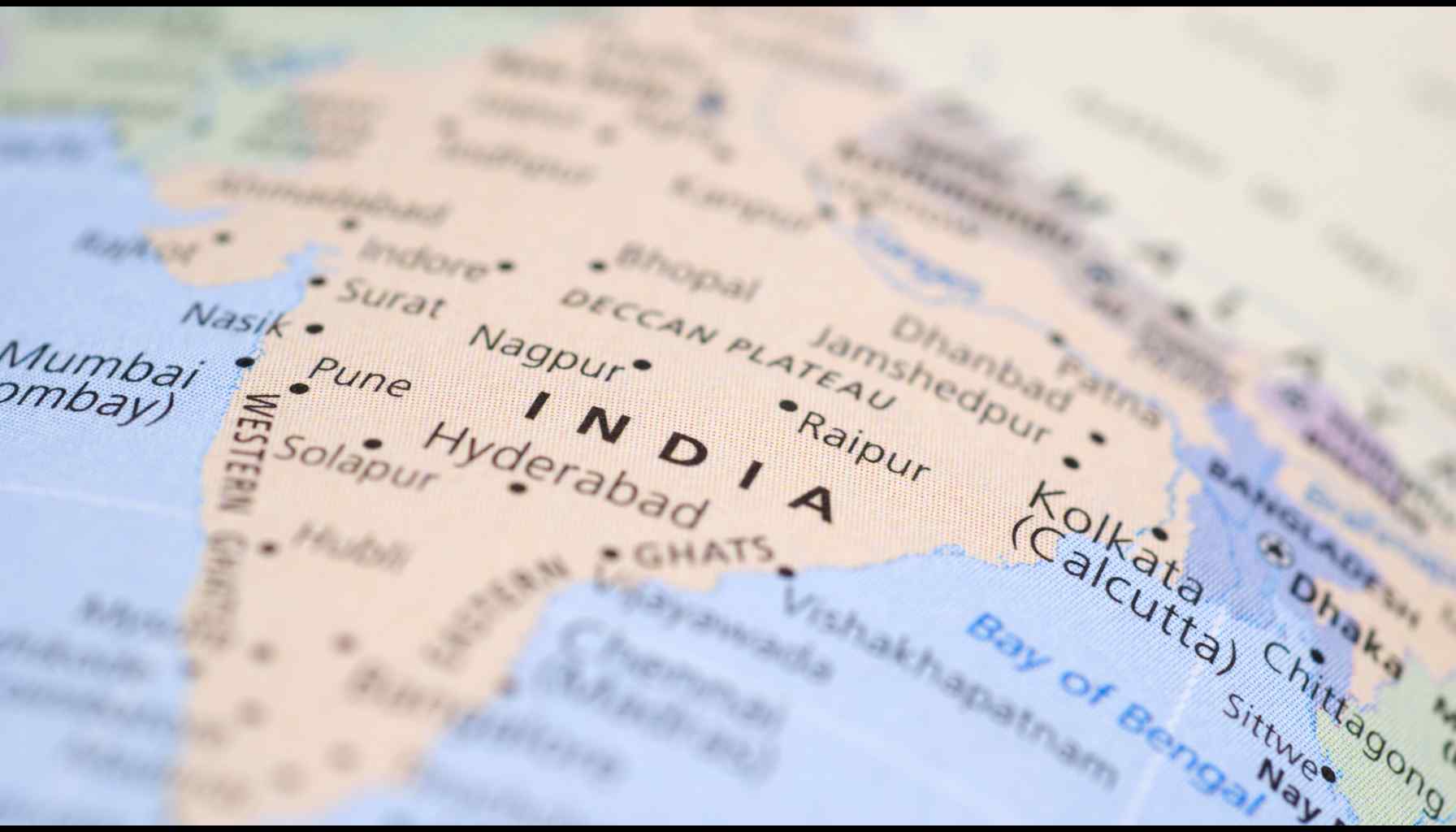
How to Travel India on a Budget Under ₹5000
Traveling across India doesn't have to break your wallet. You can discover this varied country on a shoestring budget of below ₹5000 with clever decisions and careful planning. If you're looking for ready-made routes that work well for budget travellers, you can also explore some of the best travel itineraries for Indian backpackers on a budget.
Select Your Location Carefully
Choosing the appropriate destination is the first step toward affordable travel. Consider offbeat destinations providing Equally beautiful experiences at a fraction of the price. Rich cultural experiences without breaking the bank can be found in places like Rishikesh in Uttarakhand, Hampi in Karnataka, Mcleodganj in Himachal Pradesh, or Varanasi in Uttar Pradesh. Small towns and villages sometimes have lower lodging prices, more reasonably priced food alternatives, and free or cheap attractions. During off-season, coastal villages in Odisha, temple cities in Tamil Nadu, or heritage towns in Rajasthan offer great value. As travel costs sometimes make up the bulk of your spending, think about places closer to your hometown to lower them.
Off-season travel
The general cost of your travel might vary greatly depending on its timing. One of the most efficient methods to stretch your ₹5000 budget significantly farther is off-season travel. You will get better rates on everything from transportation to food during these periods, as hotels and guesthouses cut their prices by up to fifty to seventy percent. Price decreases are most noticeable in Monsoon months—particularly July and August—in most visitor sites except for locations where monsoons are the primary draw. Likewise, months of extreme summer in Rajasthan or winter months in hill stations provide rock-bottom pricing. Beyond the financial advantages, off-season travel provides less crowded, more genuine local interactions, and a more quiet experience generally. Almost to yourself, you will have well-known sights; hence, you won't need to arrange lodgings weeks beforehand, therefore enabling you to haggle for reduced on-the-spot bargains.
Settle on Budget Accommodation
If you're not careful, accommodation can quickly consume your budget; nevertheless, India provides many reasonably priced choices that are cozy and clean. With dormitory rooms available for as little as ₹200 to ₹400 per night, hostels are becoming more and more well-known throughout important cities and tourism sites. Meeting other travelers and exchanging advice and experiences also provide these places extra value. Often situated in premium areas with basic amenities at very cheap prices, government-run guesthouses and tourism department lodging offer great value. Dharamshalas and ashrams particularly In pilgrim communities, give really inexpensive or even free lodging in return for adherence to guidelines such curfew times or volunteering in group events. Usually including home-cooked meals, budget hotels and homestays in tiny villages cost between ₹300 to ₹800 per night. Though always prioritizing safety and reading reviews thoroughly before committing, using sites such Couchsurfing can lower lodging expenses to nil while giving genuine local experiences.
Take public transportation
For visitors, transportation is often their largest expense, yet India's large and inexpensive public transportation system allows budget travel completely realistic. With overnight trips saving you both travel time and a night's hotel cost, state-run buses link almost every area of the nation at little price. Sleeper class train tickets are very affordable and present a distinctly Indian travel experience where you will engage with locals and see the varied scenery passing by. Advance bookings of train tickets on the IRCTC website guarantee better availability and reduced prices. For smaller distances inside cities, employ metro services wherever they are available since they're clean, quick, and considerably less expensive than taxis or auto-rickshaws. Smaller cities often see shared auto-rickshaws and jeeps that cost only a few rupees each. Walking is not only free but also the finest means of finding hidden treasures, neighborhood markets, and real street food establishments that you would otherwise miss. Unless absolutely required, stay away from app-based taxis as they could quickly raise your daily costs.
Consume Locally
Budget travelers can save significantly on food while savouring the most genuine and tasty Indian food. Learning a few smart ways to save money on food while traveling in India can help stretch your travel budget even further. Go to local dhabas, roadside kiosks, and tiny eateries where the locals dine rather than to tourist-oriented restaurants with inflated prices and English menus. Between ₹50 and ₹100 is a hearty thali dinner at these restaurants, which includes rice, rotis, vegetables, dal, and sometimes a dessert. From chaat and momos to dosas and other local tastes, street food is not only really inexpensive but also provides a blast of flavors. Usually priced between ₹20 and ₹50 per serving are vada pavs. Cooking your own meals and purchasing fresh vegetables from regional marketplaces can lower food expenses to less than Rs 100 per day if you are lodging somewhere with kitchen access. Always have a refillable water bottle with you rather than purchasing packed water over and over; this saves money and lowers plastic waste. Providing free, wholesome meals to all regardless of faith, caste, or background, langar at gurudwaras offers a great cultural experience in addition to food when your resources are tight.
Discover Free Attractions
India is fortunate to have many free attractions, so one might have a satisfying vacation without paying admission fees. Along both coasts, beaches provide countless hours of rest and spectacular sunset vistas at no charge. Beyond the travel to reach them, hiking paths in hill stations and alpine areas offer amazing views and adventure absolutely free. Many temples, gurudwaras, cathedrals, and mosques welcome guests free of charge and provide information on India's varied spiritual past. Most cities let visitors freely access public parks, lakes, and gardens ideal for morning strolls or evening relaxation. Free walking tours through historical city districts, markets, and heritage neighborhoods expose architectural marvels and local life. Many monuments and museums provide complimentary admission on certain days of the week or have little fees that won't seriously harm your budget. Participating in neighborhood celebrations, cultural events, and local festivals offers immersive experiences not found money can purchase. Indian visitors often have small entrance charges to nature reserves and wildlife refuges, which makes them available for budget travelers looking to explore the natural beauty of India.
Plan Your Budget Wisely
Successful budget travel calls for careful budgeting and tracking of costs to guarantee you don't run out of funds halfway through your journey. Before leaving, establish a thorough day-by--day budget distribution covering lodging, food, transportation, and a small emergency fund. Check current travel blogs and forums where fellow budget travelers share their experiences and actual costs to learn about the approximate pricing at your chosen destination. Track every rupee you spend using a simple notebook or mobile app to create a daily expense diary; this helps spot places where you could be overspending. Keep five percent as a buffer and distribute around forty percent of your spending to transportation, thirty percent to lodging, twenty-five percent to food. Unexpected costs or that one unique event you do not want to pass up. Reduce ATM fees by withdrawing more funds less often, but for safety reasons resist carrying all your cash at once. Establish a reasonable daily expenditure Under budget, restrict and challenge yourself; treat any savings as a bonus for the following day or as an addition to your trip, if at all practicable.
Travel intelligent and lightly
Your budget trip experience—from baggage fees to your mobility and flexibility—will be much affected by the way you pack. Instead of a suitcase, pack only the necessities in a cozy backpack so you may wander more freely and avoid luggage. charges levied on budget airlines and buses. Rather than packing distinct clothes for every day, include adaptable items that may be layered, mixed, and matched for all kinds of weather. Budget travelers should have a fast-drying towel, a reusable water bottle, a simple first-aid kit, and a portable phone charger—things. If this is your first independent trip, reading the complete first-time solo travel guide for India can help you avoid common beginner mistakes. that would otherwise cost you at exaggerated tourist prices. For lengthy travels when meals choices could be pricey or absent, pack some non-perishable snacks like nuts, energy bars, or cookies. During your trip, a tiny lock for hostel lockers, a photocopy of crucial papers, and a simple sewing kit for rapid mending might help you avoid time and money. Long travel hours call for a decent book or downloaded entertainment on your phone, so eliminating the need to spend on entertainment. You become more nimble and flexible the less you carry, able to take advantage of last-minute deals or change lodging readily without the burden of excessive baggage.
Make contact with other travelers
For budget travel, one of the most priceless assets is the community of other travelers who provide advice, split expenses, and improve your general experience. Hostels are great locations to meet other budget-minded travelers with whom you might divide the cost of a ride for day excursions or share transportation costs. when it turns out less costly per person, private room. Online travel groups and social media communities focused on low-cost travel in India are treasure troves of up-to-date data on discounts, secure lodging, and undiscovered treasures not included in guidebooks. Traveling with buddies lets you split costs on accommodation, meals, and transportation, maybe lowering your expenditures by thirty to fifty percent. Though always place safety above savings, local travel groups and hitchhiking circles can connect you with people traveling in the same direction. Usually, other travelers share meals, kitchen tools, and even camping gear, therefore fostering a supportive environment where resources are gathered for the advantage of everyone. Learning from the experiences of others who have recently visited your destination enables you to save expensive errors and find cheap options not well known.
To discover more budget routes and real travel experiences, you can also join our Nomadiclan travel community, where travellers exchange itineraries, cost-saving tips, and practical advice for exploring India on a small budget.
Travel and make money simultaneously
If you're ready to volunteer or work along the way, it's feasible to lengthen your travel time beyond your initial ₹5000 permits. Many guesthouses and hostels provide free lodging in return for a few hours of everyday job such management of social media, cleaning, or reception. Giving you room and board and significant experiences, volunteer programs at organic farms, teaching English, or projects for environmental preservation also present opportunities to stay longer in one spot. You can make some travel income by providing freelance services to nearby companies or other visitors if you have abilities such social media marketing, writing, photography, or graphic design. Common in tourist areas, street performance or busking can provide enough for daily costs if you have acting abilities or a musical instrument. While you are touring, imparting your native tongue via online sources helps you to have a little income stream that keeps your travel fund full. Opportunities to virtually inhabit beautiful places free are provided by work exchanges facilitated via platforms meant to link tourists with hosts looking for support. Maintaining modest income sources can turn a week-long vacation into a month-long adventure even on a budget vacation; the digital nomad lifestyle is getting more and more approachable.
In conclusion
With a budget of less than ₹5000, traveling India is not only feasible but also very fulfilling as it provides genuine experiences that pricey excursions often overlook. Selecting unusual locations, going during the off-season, staying in inexpensive lodging, taking public transportation, consuming local food, and visiting free attractions can help you extend your budget considerably. The secret lies in thorough preparation, flexibility, and accepting the idea that from significant experiences come without exorbitant costs but instead from meaningful ones. stepping outside your comfort zone, interactions, lovely scenery, and Budget travel imparts important life lessons like resourcefulness, flexibility, and the ability of appreciating simplicity. Whether you have ₹5000 or ₹50000, India's amazing diversity means there is always something new to learn, someone fascinating to meet, and an adventure ready around every corner. So pack your bag, make wise plans, and go off to discover this stunning nation free of concern for your wallet. The memories you make and the knowledge you acquire will be priceless—much more valuable than any amount of money you might spend.






0 Comments
No comments yet. Be the first to comment!