
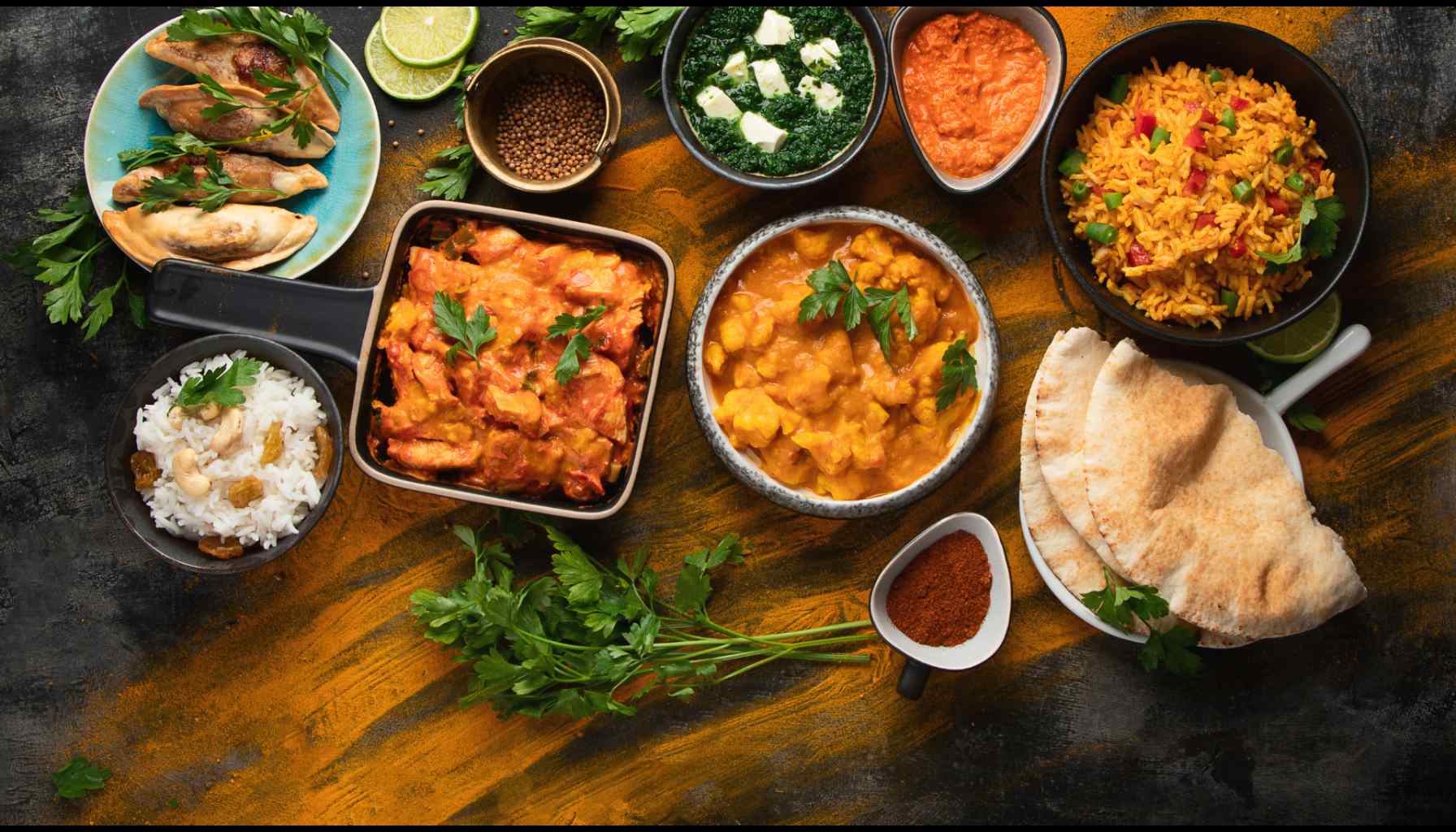
Smart Ways to Save Money on Food While Traveling in India
Traveling across India is a sensory banquet, and when it comes to cuisine nowhere is this more true. Indian food provides amazing diversity from simple aromatic street-side chaats to sophisticated thalis. The positive news: Eating well here does not require a large budget. With little local knowledge and clever planning, you may savor real, delectable cuisine without bankrupting your wallet. Budget travellers who want to stretch their money even further can also explore how to travel India on a budget under ₹5000.
Savor Street Food Culture
Indian food's true heart beats in street food. Some of the most genuine and reasonably priced meals you can find are available from merchants selling fiery samosas, crispy dosas, and zingy pani puri. Often between ₹20–50, a nutritious poha or idli-vada from a roadside stall costs a fraction of what you would spend in a restaurant.
The answer is making smart choices. Find booths with long queues of locals and high turnaround. Proper cooking temperatures and fresh ingredients help much. Usually your best bet, popular places in crowded marketplaces provide food moves fast and sellers keep greater standards.
Eat where residents eat
Areas rich in tourists always have high costs. Go a few streets beyond the main sights to find local eateries known as dhabas or tiny restaurants where costs fall considerably. These local eateries give honest pricing and large servings of home-style food.
Unexpectedly good alternatives are railway station restaurants and canteens as well. They take care of regular visitors and provide trustworthy, inexpensive food. Making stations convenient stops for budget-minded tourists, the Food Corporation of India and Indian Railways have been raising food quality.
Achieve mastery in the thali order
Your best bang for your money in India is a traditional thali. All for one set price, this platter-style meal consists of rice, a few vegetable curries, dal, yogurt, pickles, and rotis. Many smaller restaurants provide endless curries and breads so you can eat till you are totally satisfied.
While non-vegetarian variations cost slightly more, vegetarian thalis are rather inexpensive ranging from ₹60–150 in most locations. Some neighborhood restaurants even serve simple thalis for just ₹40, thereby giving a total, balanced supper.
Plan your meals with precision
Between 12 and 3 PM, many Indian restaurants provide special lunch thalis or fixed meals at greatly reduced rates. Compared to ordering the same dishes a la carte for supper, these business lunch offers might save you 30 to 50%.
Breakfast staples like parathas, dosas, and puris are also cheap and rather filling. Beginning your day with a large supper from a nearby restaurant might keep you content until night, therefore lowering your daily total food expenses.
Planning your food budget carefully becomes even easier when you are following well-structured travel routes such as those in the best travel itineraries for Indian backpackers on a budget.
Pick Local Essentials
India's different areas each have inexpensive basic foodstuffs. Dosas and idlis are rather cheap in South India. Chole bhature and aloo parathas provide satisfying, affordable food in North India. Westward, vada pav and misal pav are budget favorites; East India has jhalmuri and litti chokha.
Eating these local dishes is more authentic in addition to being less expensive. You are tasting food prepared the way it should be, what residents grow up eating.
Use Your Lodging to Leverage
Many hostels and guesthouses provide free breakfast if you are lodging there. Eat enough to carry you throughout the morning and early afternoon, so making full use of this. Some budget lodging offers also shared kitchens to allow you prepare light meals or snacks.
Think about reserving lodgings with kitchen access for extended stays. Fresh vegetables, lentils, rice, and spices are available at ridiculously low prices at regional markets. Making just a few meals yourself can considerably cut back on your food costs.
Buy at markets nearby
Visit local markets and neighborhood businesses rather than purchasing refreshments and water from convenience stores close tourist sites. At a local grocery, a bottle of water is ₹15-18; close to a monument, it is ₹20. Fresh fruits, roasted nuts, and other nibbles are also less expensive.
Many cities offer morning vegetable markets where you may get nuts, seasonal fruits, and bananas for almost nothing. These are ideal travel nibbles and assist you in avoiding purchases in costly tourist regions.
Plan Beverage Strategy
Quietly raising your food budget are beverages. At restaurants, bypass bottled drinks and only drink water. Try freshly lime soda or traditional beverages like buttermilk (chaas) or lassi—which are refreshing, cheap, and made regionally—if you want anything more intriguing.
India's national drink is chai (tea), which at most roadside vendors sells for ₹10–20. It's a great way to unwind without spending too much, and you will get to see a vital aspect of Indian culture.
Make use of food delivery apps appropriately
Often offering first-time user incentives and discount coupons are apps such Swiggy and Zomato. Though ordering in isn't always the least expensive choice, these discounts can sometimes provide you restaurant-quality food at street food prices, particularly beneficial when you want a rest day at your lodging.
These applications also enable you to find highly-rated nearby restaurants with sincere reviews, so saving you exorbitant tourist traps.
Understand When to Strategically Splurge
Saving money doesn't call missing culinary experiences. Once per city, keep a little budget for sampling well-known regional cuisine or eating at a well-known restaurant. You can eat these unique meals without regret if you eat inexpensively most of the time.
Prioritize those experiences by means of studies on the foods each location is known for. Although it might cost a bit more, a world-class biryani in Hyderabad or real Punjabi cuisine in Amritsar provides great value for a memorable dinner.
Remain adaptable and adventurous
Being open to fresh experiences usually provides the most affordable yet most memorable meals. For ₹80, that tiny restaurant down an alley without an English menu might serve the best meal of your vacation. Learning a few terms in the local language helps you communicate with merchants and shows respect, often leading to large servings and insider recommendations.
Trust your gut, run with the throng, and don't hesitate to highlight something that appeals to you. Usually inexpensive, food in India allows you to eat like royalty on a street food budget with these techniques.
If you enjoy discovering local food spots and sharing travel experiences, you can also join our Nomadiclan travel community, where travellers exchange budget travel tips, food recommendations, and destination ideas across India.
Closing thoughts
Eating well in India calls for daring attitude and wise decisions rather than large bank accounts. Many travellers also share their favourite budget food discoveries and hidden local eateries inside travel communities, which is why joining a travel community before your next trip can make your travel planning easier. With the great culinary variety of the country, you could dine on a different cuisine daily while still living properly within your budget. Savor local cuisine, travel outside of tourist areas, and bear in mind that some of the most amazing tastes originate from the tiniest of businesses.
Eating like locals do, finding obscure treasures, and understanding that genuine, wonderful food is available at every price level is the actual secret to saving money on food in India, not austerity. Both your taste buds and your bank account will thank you.






0 Comments
No comments yet. Be the first to comment!