
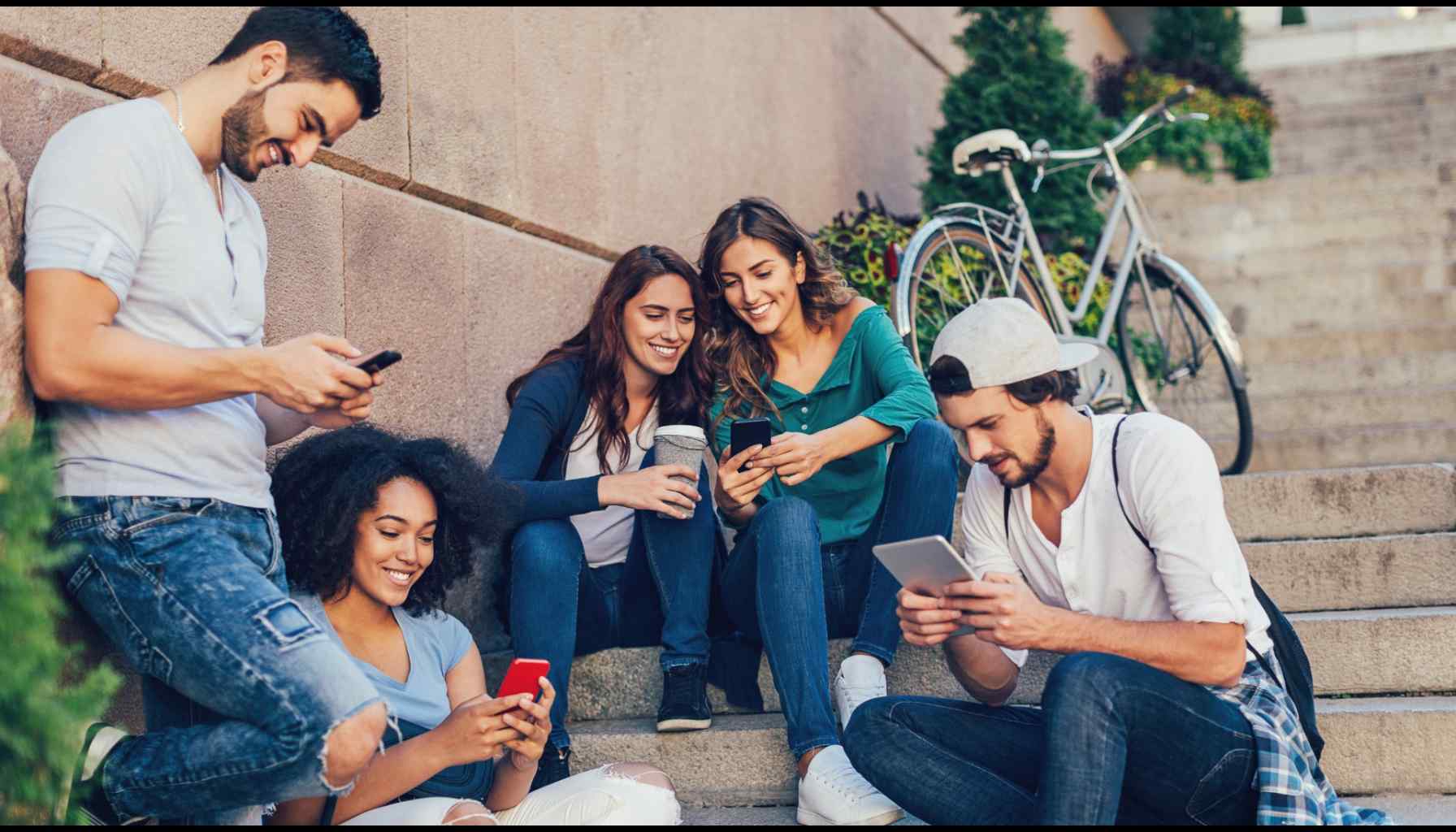
Mistakes Indian Travellers Make While Sharing Trips on Social Media
India boasts one of the most diverse and enthusiastic travel communities across the world. Whether it is the backpacker visiting Spiti Valley on a shoestring budget or the luxury traveller visiting the Maldives, all Indian travellers are today content makers. Reels on Instagram, YouTube videos, Facebook statuses, and a trip post are as basic as packing your suitcase.
However, here comes the difficult reality: most Indian travellers are committing unnecessary errors by sharing their experiences with the World Wide Web. Such blunders do not only hurt your engagement but also may impact your safety, breach other people's privacy, ruin the local tourist spots, and also impact your reputation in the online travelling community.
This guide is based on the most typical mistakes and the ways to avoid them, whether you are an individual traveller or a family holidayist.
1. Posting Real-Time Location Updates
This is possibly the most risky error that the Indian travellers commit in social media. It is a life-threatening behaviour to share your exact whereabouts when you are still present, tagging one of your favourite hotels, restaurants, or a distant camping spot in real-time.
Fraudsters track social media. Having the knowledge that you are 3,000 km apart in Goa will indicate to opportunists that they have the best opportunity to strike your house. As a single female traveller, you would not want to publicise your exact location, as it will draw undesirable attention or even more.
Some geo-tagging on Instagram Stories will show exactly the GPS location; a caption with a hotel name will show you that you are not at home anymore, and the world of travellers appreciates inspiring content over live surveillance updates.
Pro Tip: Add place-specific content once you are out of the place. You see, your gorgeous sunset shot at the Rann of Kutch can wait 24 hours.
2. Excessive self-disclosure
Most travellers do not intend to share sensitive personal information when they post photos in the joys of a trip, but they do accidentally share such information by showing flight tickets with booking reference numbers, passport pages, hotel key cards, or boarding passes. Such little slips can be very severe.
Your full bookings, cancellations or even stealing of your frequent flyer miles can be accessed with a visible PNR number on a boarding pass; an example of this is a PNR number on a boarding pass. The traveller fraternity is becoming much more aware of such dangers – and veteran travellers will always advise you: blur your papers before you mail.
Pro Tip: Redact booking references, seat numbers, and barcodes before posting travel information on the internet using photo editing programs.
3. Violations of Copyright and Credit
The Indian bloggers and social media users are openly reposting the photographs of other creators and posting them without their consent or credit. This is not only ethically wrong but may also have legal consequences in the Copyright Act of 1957 in India and the IP laws across the world.
Reposting the photos of a trek by the owner without tagging the original author, using drone shots off the internet without verifying the licensing, and duplicating itineraries straight off of the blogs are all considered the common offences. The Indian travelling fraternity is founded on reciprocity and respect. Stealing content destroys trust and may destroy your reputation forever.
Tip: Royalty-free websites such as Unsplash or Pexels have stock photos, and you should always ask permission before reposting the work of a fellow traveller.
4. Romanticising or Misrepresenting Destinations
Social media has been transformed into a highlight reel by heavy filters, deceiving angles and selective framing and does not always show anything that is close to the truth. The Indian travellers often leave ultra-edited photos of teal lakes which have been brown in reality and beaches that were, in reality, crowded.
This deceives your audience, and it helps to overtour. The delicate natural setting of a tourism destination is damaged when thousands of fans assemble at a location because of a deceptive post.
The emergence of the real online travelling community has been the impetus to push back against the fake travel information. Honesty today is an aspect that is highly appreciated by audiences – displaying the long queues, the poor weather, and the mediocre meal. True trust is created with true stories.
Tip: Share when you have heavily edited. One such deceptively small addition to your caption, such as a note about colours slightly enhanced, helps a lot in your credibility.
5. Disrespecting Local Cultures and Customs
The content posted by Indian travellers tends to mock or misrepresent local traditions, whether unintentionally – posing irreverently at a religious location, inappropriate dress, posting these images on the main page, or writing captions in a way that stereotypes a local people.
This does not only offend locals but also might backlash against travellers in the world, especially at a time when audiences are much more culturally aware than ever before. The most widespread and the most harmful include taking photographs in temples or mosques without authorisation, ridiculing local cuisine, or using tribal communities as photo props without their consent.
Traveller Tips Before you shatter the local culture, make sure you do some research about it, and it is people who should make the first move before you do.
6. Not Crediting Local Guides, Homestays, and Small Businesse
When Indian travellers capture beautiful food at a local dhaba, stunning scenery at a homestay or professional assistance from a local trek guide and never tag or credit these little operators, they are missing a big chance to pay back.
It is not only good karma to tag local businesses, but this is what a responsible locality to travellers represents. A small tag will be able to create life-altering visibility for a small homestay in Meghalaya or street food vendor in Varanasi. Most of the Indian travellers attach their labels to the popular brands of hotel chains or large tour operators and ignore the grassroots experiences that enhanced their vacation experience.
Tip: It is a tradition to leave a note to any small business, guide, and local host that made your experience better. Their greatest advertising weapon can be your platform.
7. Posting Without Thinking About Environmental Impact
The result of the Instagram effect has been a rush of tourists to previously unknown tourist spots in India – Har Ki Dun, Chopta, and Majuli – causing overcrowding, littering, and destruction of delicate ecosystems. In posting a location, Indian travellers do not put a responsible travel message; therefore, unknowingly they promote irresponsible behaviour.
Geotagging of sensitive natural places that cannot sustain mass tourism should be avoided. Add 'leave no trace' messages to your captions. Telling them about secret spots, but they cannot cope with the human traffic. Get the local travel society to create awareness on conservation and not just consumption.
Pro Tip Viral reels are fun to make – but would you want to post before you have to think whether the destination can handle the traffic they are going to cause?
8. Photographing People Without Consent
The Indian travellers usually take photographs of locals, particularly in rural regions, tribes, or slums, without their permission and then make them public. This is such a grave violation of ethics.
Children are specifically susceptible. Even with the most sincere intentions, making identifiable photos of the minors of other communities available on the Internet can subject them to hazards and infringe upon their basic right to privacy.
Pro Tip: It is always better to ask permission before taking the photo of a person. If they say no, respect it. Dignity is much more important than what you feed on.
9. Flooding the Feed and Losing Authenticity
Many Indian travellers go overboard in race of engagement, and this may include posting too much information, 30 stories in a day, 10 posts in a day, etc., and this may be overwhelming to the audience. Ironically, this will be minimising impact. In social media, quality is always better than quantity.
The voices that are most admired in any travel community are those that are thoughtfully edited and published less and are more significant posts that create the story, not a fragmented array of self-portraits and food photos. When you see a decrease in your engagement rate even with increased posts, when you are posting blurry images to fill the feed, and when you are posting monotonous captions, it is time to reduce the pace.
Pro Tip: 3 strong posts with powerful captions will work harder on your travel brand than 20 weaker ones.
10. Ignoring the Power of Storytelling
Probably the most common error associated with forming the Indian travel content creators is turning their posts into a picture and a row of hashtags – no story, no context, no soul. One of the most effective human experiences is travel. However, most Indian travellers share the postings that state nothing other than I was here.
Storytellers are the most influential participants of any online travel community. They tell about the missed bus that made them have an unexpected adventure, the neighbourhood grandmother that showed them a recipe, and the moment when the mountains had to make them rethink their whole life. Such content does not only get likes, but an audience becomes loyal.
officer Tip: Answer this question before posting: What does this post offer my audience? Inspiration, emotion or facts? In case the answer to all these is no, rethink posting.
Final Thoughts
Social media has provided Indian travellers with a unique platform to motivate, to unite and to promote responsible tourism. But responsibility comes with that power.
The greatest travel content is not only visually appealing but also moral, sincere and informative. You might belong to a niche community of travellers on Reddit, an Instagram page building a following, or a WhatsApp group of hiking friends, but how you document your travels influences other people to travel.
These are the things you should avoid to come to travel consciously and leave a place, and the internet, a little better than you have found it.
Happy travels. Share Responsibly.



0 Comments
No comments yet. Be the first to comment!