How Travel Communities Will Replace Traditional Travel Planning in India
Indians are drastically changing the manner in which they plan their trips. Gone are the days when travel planning was done by leafing through glossy brochures in a travel agency or just consulting guidebooks, which were outdated before they could even reach the shelves. One thing that is making a new trend in the traveling landscape in India today is the travel community.
The cultural transformation is happening from the backpacker hostels of Kasol to the co-working cafes of Goa. The Indian travelers are also resorting more to other travelers who will give them tips, inspiration, and companions. It is not a mere trend but, in fact, a paradigm shift in the way we go about exploration, and it is bound to surpass the conventional travel planning processes altogether.
The Shortcomings of Conventional Travel Planning
In India, conventional travel planning has always been based on a few known techniques. Travel agencies arrange tours such that the itineraries are fixed and bring about little room for spontaneity or even preference. Guidebooks are informative, but they are a one-size-fits-all choice that does not factor in personal preferences of travel, budget, and travel style.
The similarity between these traditional approaches is that they are not dynamic. A guidebook released in January is becoming outdated by December. The advice that a travel agent gives is confined to what they experience or what they make a commission on. There exists no live commentary, no real peer points of view, and definitely no room where the organic discovery that makes traveling a game changer can be achieved.
The Emergence of the Traveller Community
Join the traveller community, a fast-paced, constantly developing ecosystem in which experiences are shared in real-time, directions are crowdsourced from people that have actually been there, and networks are formed between like-minded travellers.
These groups are both online and offline. The weekend trek groups, the backpacker hostels, travel meetups in the city around India, and online platforms have all helped in providing a platform through which travelers can meet, share, and learn among themselves. The traveller community has evolved beyond being a resource; it is now the default point of starting to plan a trip.
It is the authenticity of these communities that makes them so great. You are getting raw and reliable firsthand information when a fellow traveler tells you about a cocooned secret in Meghalaya or tells you to be wary of a tourist trap in Rajasthan, because he has no economic stake in directing you in the wrong direction.
How Online Travel Communities Are Changing the Game
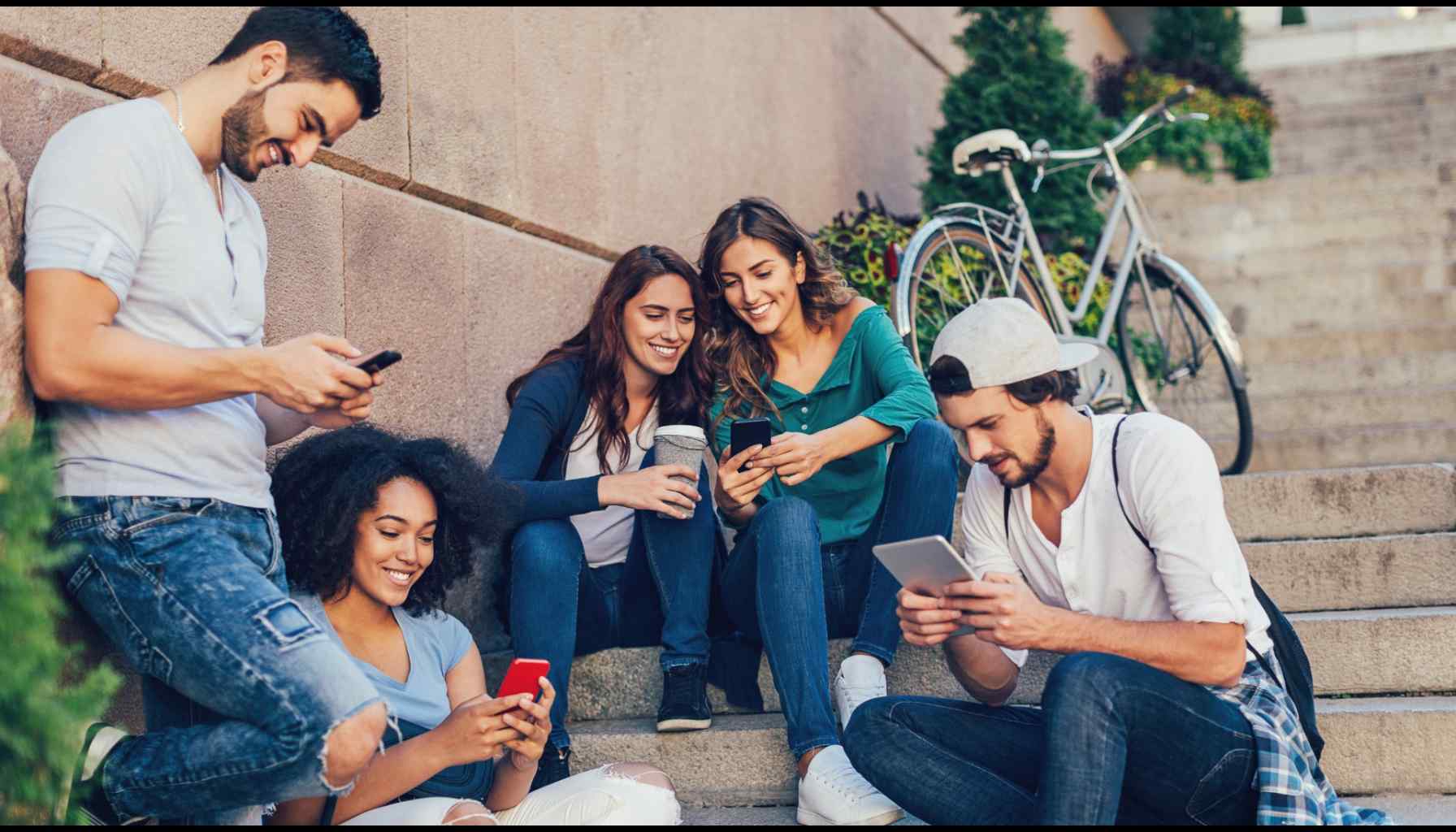
One of the most disruptive technologies in this change has been the online travel community. Facebook groups about a particular destination, WhatsApp groups about common interests such as solo female travel or budget backpacking, Instagram posts that disclose out-of-the-beaten-path spots, and specific platforms that organize travel planning by crowdsourcing information—all of these digital spaces have made the knowledge of traveling a democratic process.
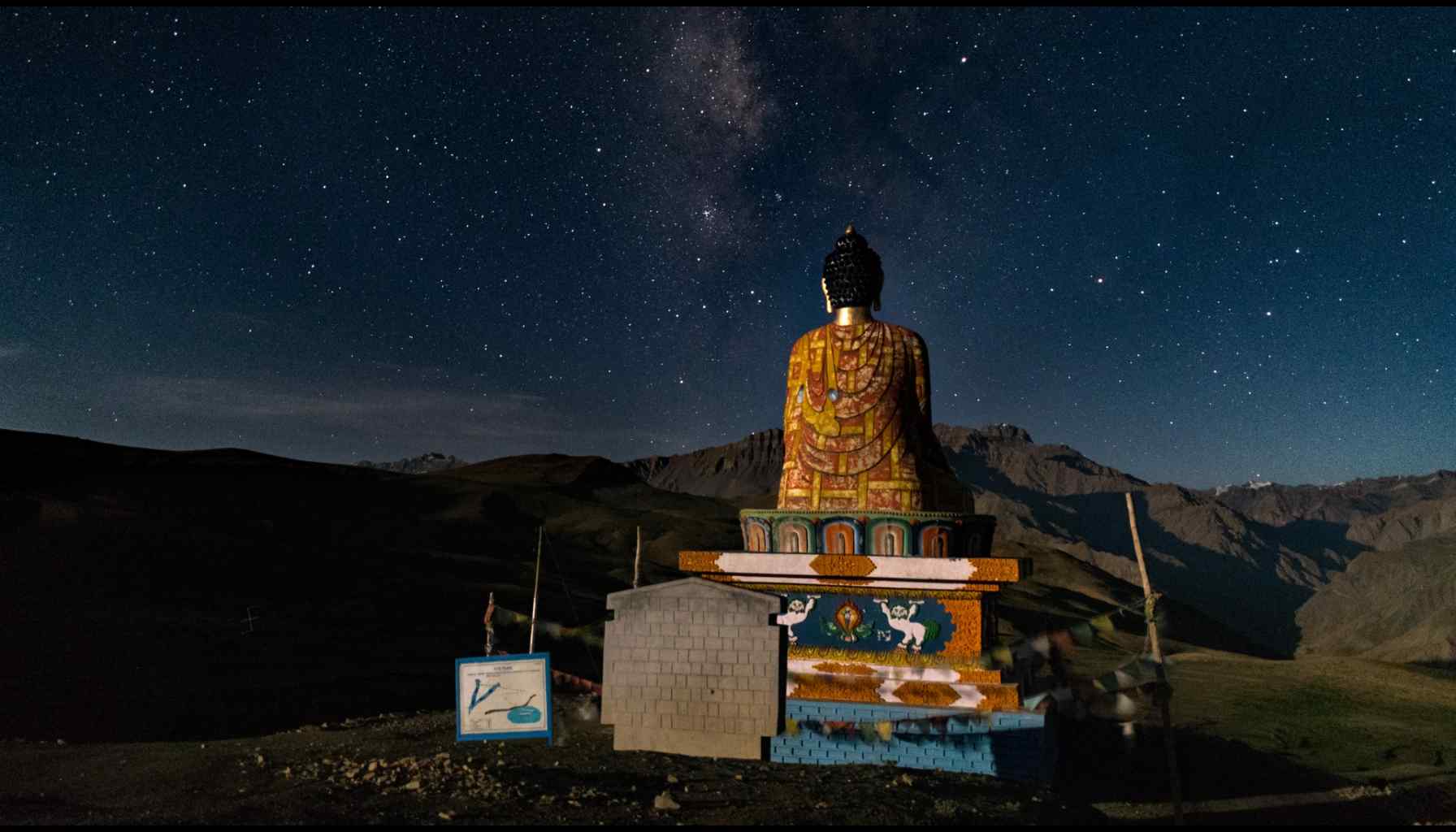
Think about the way the trip planning process will occur in 2026. A young professional in Bangalore makes up her mind that she wants to visit Spiti Valley. She does not need to make a call to a travel agent, and instead she gets into an online travel community that targets Himachal adventures. Within hours, she has:
- Detailed itineraries of last-minute travelers.
- Live traffic and weather information.
- Backpacker and luxury traveler budget breakdowns.
- Suggestions on local homestays that are operated by families in the valley.
- Networking with other solo travelers who intend to travel at around the same period.
- Advice on permits, altitude sickness, and cultural insensitivity.
This crowdsourced model does not merely give information but puts it into context and adds subtlety and the wisdom of hundreds and thousands of other people who have been through the same journey.
The Trust Factor: Why Peer Recommendations Win
Trust is at the core of the phenomenon of the travel community. Indians are social by nature, and they highly appreciate the word-of-mouth referrals. When it is mentioned by the friend of your cousin that there is a restaurant in Udaipur that is wonderful, you will prefer to visit that restaurant rather than just read that it is present in the guidebook.
Online travel social networks are based on the same principle, but on a large scale. The review system, verifiable traveler badges, and the capacity to view all the travel history of a person before he/she gives their advice form a trust platform that conventional planning does not have the capability to compete with.
Furthermore, travel communities also provide something that is very human, which travel agencies could never provide: the possibility to pose follow-up questions, to seek clarifications, and to have a conversation that can fit into your needs and concerns.
Flexibility and real-time information
The access to real-time information is one of the greatest benefits of the traveller community approach. The old forms of planning cannot keep up with a person who is already at your location, posting updates on last-minute closures of certain roads, the opening of a new cafe, or amendments in local laws.
This is the aspect of real-time that is paramount in a dynamic country like India that changes rapidly. It could be a political rally that would have caused traffic to snarl in Delhi, or it might be the unseasonable rain in Kerala or the opening of a new camping site in Ladakh. Community members will be updated immediately, enabling other members to make suitable adjustments to their plans.
The range that this allows is unparalleled. Travelers have the ability to change their itinerary based on the prevailing circumstances, get to know new opportunities that they were not aware of, and avoid disappointments because of the old information.
Savings of Costs in Community Prudence
Let's talk about money. Travel communities are assisting Indians to travel better and cheaply. Travelers learn through common experiences.
- Which travel agents provide value and which overcharge?
- The best budgeting on rooms and travel.
- Where to have some local food at local prices.
- The art of negotiating in markets.
- What should you spend money on and what not to spend on?
Community for travelers platforms can regularly support group booking, car-sharing, and shared rooms, which reduces costs directly. There is also a variety of offers, such as discounts, seasonal deals, and insider tips that are shared between many societies and potentially lower the costs of traveling by a considerable margin.
To a country in which a high percentage of the population is both price-sensitive and willing to travel, this democratization of cost-reduction measures is radical.
Sustainable and Responsible Travel Through Communities
The communities of travelers are also contributing to the transition towards more responsible and sustainable tourism in India. Postings by the travelers about the overtourism sites or environmental harm that they have seen have an impact on the decisions of the other members of the community.
These communities promote:
- Off-peak travel in order to minimize crowding.
- Smaller attractions that require tourism.
- Domestic enterprises and home stays compared to foreign hotels.
- Principles of responsible waste management and leave-no-trace.
- Sensitivity to culture and respect for the local communities.
The sense of community that defines the travel community is bound to drift towards preserving the places and cultures that we enjoy visiting. This is a grassroots method of sustainable tourism that has already begun to bear fruit in the way Indians spend their time on domestic travelling.
The Social Element: Travel as Relationship
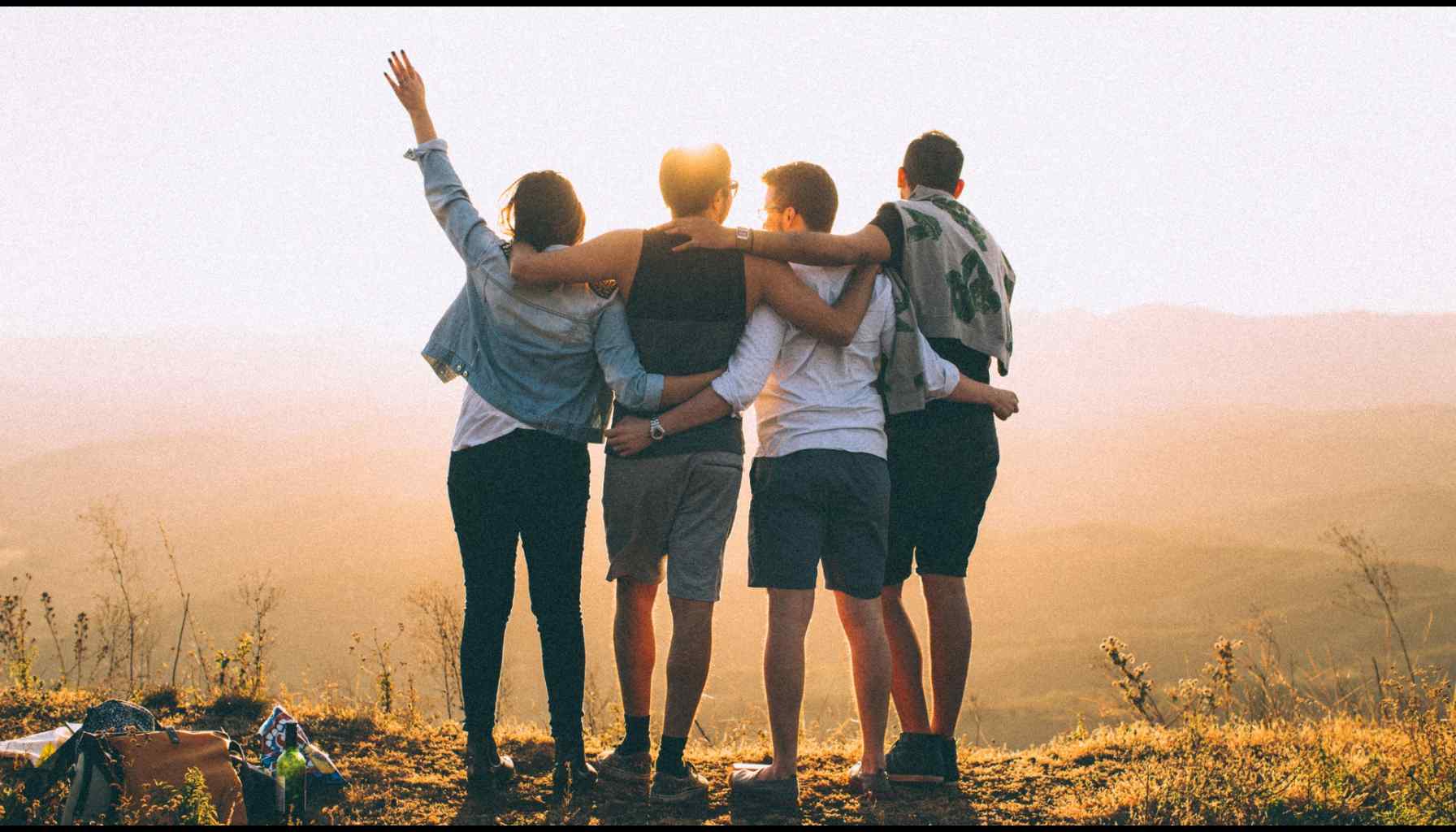
In addition to the practical value, travel communities serve an intensely human need: connectivity. Individual travel is gaining momentum in India and especially among the millennials and Gen Z, but this is not an indication that people want to travel alone. They desire independence of individual discovery and the possibility of having a partner.
That is what travel communities offer. Travelers can:
- Identify people to join certain journeys or activities.
- Participate in group hikes or tours arranged in the community.
- Do meet the members of the community who are in the same city.
- Create long-term friendships with individuals who are interested in exploration.
To female solo travelers, these groups provide them with an added form of security and protection. Groups on Facebook of women traveling alone in India have thousands of members who post their real-time locations and safety details and even provide their homes as a safe haven to other travelers.
The New Travel Influencers: Everyday Travelers
Conventional travel planning tended to use the help of celebrity travel writers or professional guides. Nowadays, Indian travel has the most persuasive tones, often by ordinary travelers who have some stories to tell.
The Internet travel community has rewarded frequent flyers with the position of being reliable consultants. They are not sponsored or people with commercial interests but accountants, teachers, students, and professionals traveling during their free time and just want to share their desire with others.
This has changed travel guidance to become more approachable and closer. Once you have seen one person manage a destination successfully with a similar budget, family scenario, or set of constraints, then it will be easy to imagine that you can also do it.
Challenges and How Communities Are Adapting
Understandably, the community-based approach does not lie without difficulties. Lots of information, opposing guidance, and some bad actors can all complicate the navigation of these platforms.
Nonetheless, the travel communities are developing in order to solve these problems:
- Improved moderating and checking systems.
- Cultured content of credible members.
- Smart recommendation systems that suggest what to do to travelers.
- Sub-communities revolved around individual interests or types of travel.
- Scoring of the contributions of community members.
The best attempts at the travel communities in India are those that attain the balance between the democracy aspect and quality control in the community.
The Future: Hybrid Models and Improved Technology
To conclude, it seems that travel planning in India will most probably not become entirely digital but will be combined with the community-related strategies in the future.
Hybrid models are already being introduced:
- Travel agencies that use community input in their packages.
- Booking sites that have well-developed community forums.
- AI chatbots can use community data to give individual recommendations.
- Communal experiences of the virtual reality.
- Checked review and recommendation systems using blockchains.
Technology will keep improving the way communities in the travel industry operate, and the fundamental tenet of the business, which is travelers benefiting travelers, will remain at the forefront.
Why This Shift Is Irreversible
A number of reasons have led us to believe that the shift of dominance of travel communities over traditional forms of planning is here to remain:
- Demographic changes: Younger Indians are digital natives and should therefore gravitate towards online community-based platforms.
- Access to smartphones: With low-cost internet and smartphones, rural India is also accessible to the travel communities.
- Shifting work culture: Due to the emergence of remote work and workations, a new breed of travelers emerged that is dependent on community recommendations.
- Trust erosion: The fame of travel scams and crappy experiences with the traditional agencies have driven individuals to peer recommendations.
- Cultures of content creation: The Indians are becoming more open to sharing their experiences via the internet, and it is providing these communities with new content on a continuous basis.
Making the Most of Travel Communities
To newcomers to this strategy, the following are some of the tips on how to maximize the benefits of traveler communities:
- Become a member of several communities in order to obtain various approaches.
- Give abundantly of your experiences.
- Check valuable facts with more than one source.
- Be precise in the solicitation of advice.
- Adhere to societal rules and manners.
- Give it back by assisting other people on how to plan their trips.
Conclusion: Travel Democratization
The emergence of travel communities is not an insignificant phenomenon: it is the democratization of knowledge of travel and experiences. Travel planning is no longer the prerogative of professionals who have insider knowledge. Nowadays, each of the travelers is a student and a teacher who adds to a common stock of knowledge and enriches it every day.
With the ever-increasing number of middle classes in India and the urge to experience our diverse nation, the travel community would become an ever-increasingly important part of our travel planning, execution, and memory.
The old-fashioned travel planning is not dying; it is changing. And in the center of that evolution lies the fundamental concept that the most effective way to know a place is not by someone who is selling you something, but because he or she went there, had an experience, and now sincerely desires to share that experience of making you have a great time as well.
Travel planning in India is a collaborative, authentic, and community-driven way of the future. And honestly? It always should have been.
Have you encountered the advantage of a travel community personally? How have you found the comparison between traditional and community-based travel planning? Post your opinions and make a contribution, and, after all, that is what communities are all about.


0 Comments
No comments yet. Be the first to comment!