
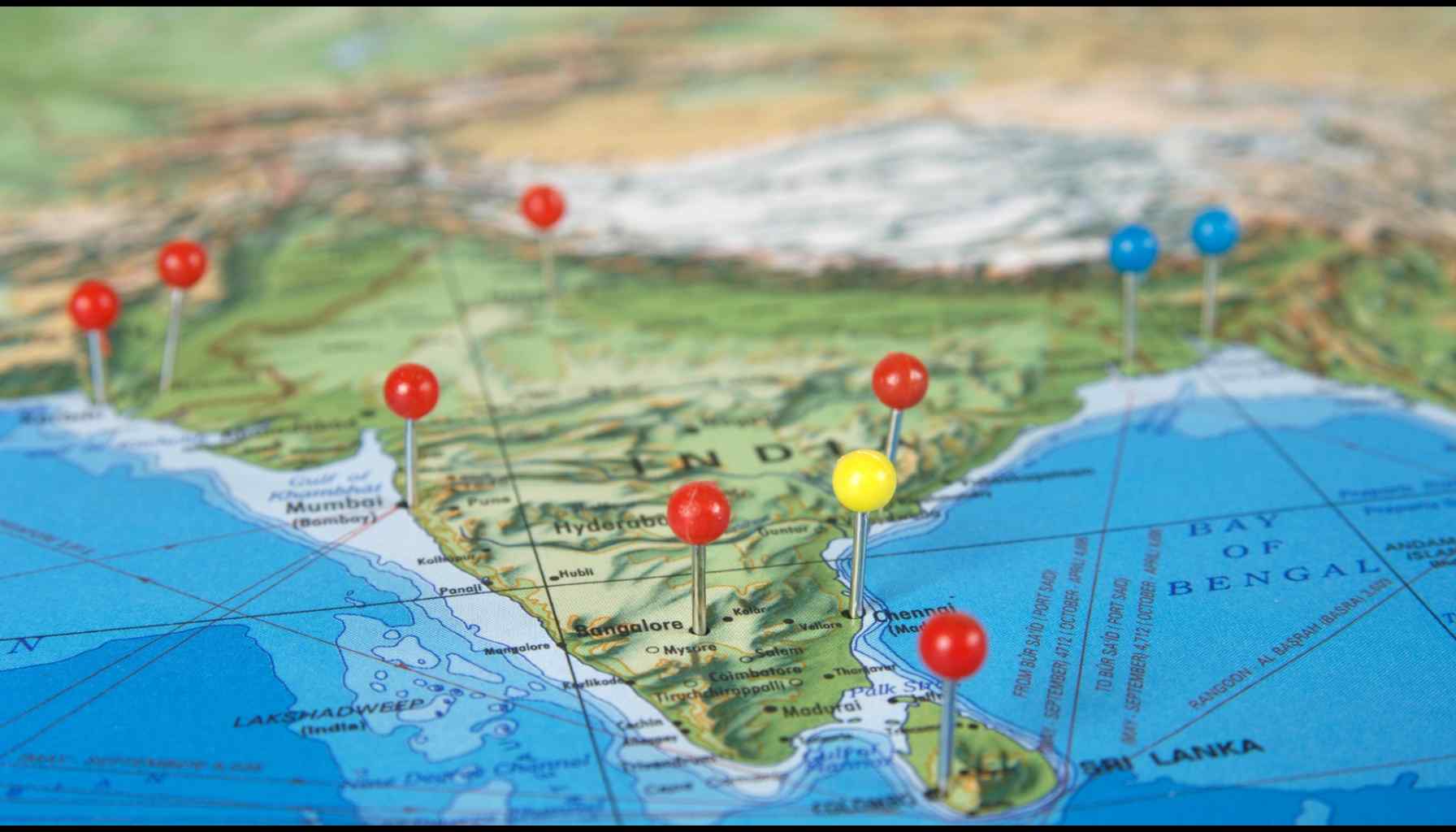
How to Travel Comfortably in India During Peak Season
The high season of travelling in India usually between October and March is a good weather and festive season. Nevertheless, it has its share of huge crowds, overcharging, and logistical issues. Whether you are sightseeing the Golden Triangle, hiking through the Himalayas, or spending time on the beaches of Goa, to travel comfortably during this peak season you have to be flexible, plan and in many cases be as wise as people who have been there before.
Book Everything in Advance (Be Flexible)
India has the most popular destinations that are busy in the season of the year. Train tickets, hotel rooms and even restaurant reservations can even become rare. Reserve your rooms and great transport at least 2-3 months before arrival, particularly in the destinations such as Rajasthan, Kerala and Goa.
With this said leave space to spontaneity. The most rewarding moments of travel are the ones that come when you follow the plan wrong, such as a local festival that you accidentally happen upon, an invitation to dine with the family that you have only just made a friend, or a secret temple that someone you have just met suggested visiting.
Wise Destinations to Choose
As everybody visits Jaipur, Agra and Varanasi during high season, there are so many undiscovered gems in India that are as real as they can get and do not have the large crowds. You can also be interested in visiting some offbeat places such as Hampi, Ziro Valley or backwaters in Alleppey at non peak periods.
Explore outside of destinations and only see places that appeal to your interests and not merely check things off a bucket-list. In case you are spiritual, explore smaller ashrams in the more quiet neighborhoods of Rishikesh. Should you be an architecture enthusiast, then visit the step wells of Gujarat rather than being in the Taj Mahal lines.
Transportation System of Master India.
The Indian Railways turns into a battle field at the best of seasons. The way to get around it is as follows:
- Book Tatkal tickets: Tatkal tickets become available one day before the travel date, in case you have failed to book in advance.
- Consider AC coaches: It is worth the extra money in comfort and security.
- Take overnight trains: Save on a hotel and get fresh.
- Send via apps such as ConfirmTkt: It predicts the chances of confirmation of the ticket and recommends the alternative routes.
In shorter routes, it may be smoother to use private buses or shared cabs with the help of the apps like BlaBlaCar instead of using a local bus that may be overcrowded. In urban areas, the use of cab in the form of apps is safer and more secure than bargaining with the auto-rickshaw drivers on tourist seasons.
Pack Smart in Unpredictable Weather
The season in India is a variety of climates. Whereas Delhi may require a jacket during the month of December, Goa will still be beach ready. Pack layers and comfortable walking shoes and a day pack that is capable of dealing with all the activities in temple visits and even spur of the moment hikes.
Important things: sunscreen, filter reusable water bottle, power bank, basic medicines and modest religion-specific clothing. A light scarf will be used in various ways; sun protection, covering temple, and a blanket during cold train travel.
Become part of the Travel Community
It is one of the most valuable resources of comfortable traveling in the country known as India because it enables one to tap into the collective wisdom of experienced travelers. Online travel forums are gold mined portals of up-to-date data- points on the safest street food kiosks to negotiating with tuk-tuk drivers to get a fair deal.
Pre-travel Before your trip, be part of travel community sites where you can ask questions and read the travel stories of actual travellers. A lot of forums on the backpacker community have threads dedicated to India where individuals exchange recent experiences, recent updated prices, and safety information. It is not logistics only these communities provide you, they show you those cultural undertones that are frequently overlooked in guides.
To the solo travelers in particular, understanding how to connect with people during traveling can change your experience. In hostels, walking tours, and cooking classes are some of the natural meeting spots, nevertheless, you should not disregard community-based traveling networks where you can communicate with the like-minded individuals even prior to reaching the destination.
Embrace Local Connections
Travel does not only concern places, but people. Among the most vivid moments in India are those based on unexpected human relationships: tea with a shopkeeper who tells you about the local legends, guidance with college students who reveal themselves to make great guides or dinner with a family that welcomes you home.
Be receptive to these relationships and keep suitable boundaries. The connecting through travel philosophy implies being truly interested in the life of others and not intruding into their time and space. Knowing simple Hindi words other than namaste and dhanyavaad (thank you) is a sign of respect and it is usually a door opener.
Most of the travelers believe that shared experiences in traveling have long lasting bonds. It might be strangers whom you make friends with on an insane night bus ride, or it might be locals who assist you in figuring out a mazing train station, these travelling acquaintances can sometimes last longer than the journey itself.
Crowd Management at Off-peak Destinations
The high season implies audience all over. See the key sites in the morning or at night when there are fewer tour groups. The Taj Mahal during sunrise, say, is not only more comfortable, it is more magical in actual sense than daytime visits.
Buy jump-the-line tickets whenever they are offered. Most of the monuments currently have online reservations and time slot entries. The planning is worth it, not to have to spend 2 hours in the sun queue.
Think about employing local guides via approved networks. An excellent guide does not simply tell the history, but they are well aware of the backdoor perspectives, the best hour to visit a site, and the best way to move around it.
Stay Healthy and Safe
The flu season in most areas of the Indian subcontinent is at the same time as peak season. Carry hand sanitizer, do not put ice in drinks and dine in busiest restaurants with fast food turnover. Stay hydrated however drink bottled or filtered water only.
Have your accommodation address in Hindi at your phone. When you are not in good health, a majority of drug stores have highly qualified personnel who can prescribe over-the-counter drugs, but when it comes to severe cases, it is best to seek the help of a qualified doctor.
To the lone travelers, particularly the women, before traveling, it might be essential to join a travel networking community that would offer essential safety information. Actual customers provide recent stories of safe areas, trusted tour operators and where they avoid going at night.
Wise Budgeting of Peak Season Inflation
Prices are likely to go up to two or three times in tourist spots. Tourist pricing is common in hotels, taxis and even entrance fees. Find good prices in advance by going through travel recommendations of people who have just been there.
At that, do not bargain with the street sellers or drivers that make a simple living. The small amount of additional money you can spare that is not a big deal to you may matter to them. To be a financial savvy and at the same time be ethical.
Build in Downtime
India is exhausting in a way that needs to be fueled by the mind- the overload of senses, the endless bargaining and people. Include day rest in your schedule. Book modernizations that have cozy communal spaces where you can relax, write, or just sit back in a cafe on the rooftop and unwind with a view of the scene.
That is where belonging to a social travelling community comes in handy. There are times when you must find fellow travellers to see the sheer sublime and profusion of India--those who will not frown upon you in need of a quiet day after a hectic week of sight-seeing.
Learn from Other Travelers
People who are on the road are giving some of the best tips on travelling. Stay in hostels or guesthouses where there are common areas where customers will automatically share information. You will get to know what scams to watch out, which trains are scenic and which homestays have authentic experiences.
Some informal nomad travel communities exist in such cities as Goa, Rishikesh, and Dharamshala created by many backpackers and digital nomads. They also tend to form loose networks to carry out group activities, distribute resources, and offer support to the community during the traveling process which makes navigating India highly convenient.
You can ask questions or also tell your own experiences. Travel community boasts of reciprocity, which means that the assistance today goes to the next traveler tomorrow.
Courtesy Seasonal and Local Customs
Peak season is usually around the time of great festivals- Diwali, Pushkar Camel Fair and Carnival of Goa. These shows are very immersive in terms of culture, but demand additional sensitivity. Wear a dress at religious places, request people to be photographed and get to know simple rules of festivals.
Certain areas also have their traditions at high time. During harvest festivals in Kerala, homestays may use you in their festivals. During the wedding season in Rajasthan, you may be a witness of elaborate processions. Treat such moments as a time of authentic inquiry and honor as opposed to photo time.
Final Thoughts
Painless travel in India in high season has nothing to do with avoiding the crowds, it has to do with just negotiating them with grace, preparation and receptiveness. Not all the most comfortable journeys are the most smooth one but the ones you feel supported and informed and connected.
Traveling with fellow travelers provides you with resources, but you can make your journey truly rich in the kind of people you can meet, both locals and other fellow travelers. India will also tell you that traveling with like-minded people does not imply that everyone is going to agree with you but it means that you will find people who share your interest, love of culture and are ready to experience the beautiful and the mad at the same time.
What you will be gathering along the Indian road will not be simply tales of monuments and scenery. They will talk about the chai wallah who forced you to taste his grandmothers recipe, the very family that had helped you when you lost your way and the other people on the train that became your friends following a common train accident. It is these touching experiences of travel and these moments of true human interaction that make traveling in India in its busiest season not only comfortable, but something to remember.



0 Comments
No comments yet. Be the first to comment!